Tibet Travel Permit Guide (2026): How Foreigners Get the Lhasa Permit
Short answer: A foreign visitor cannot apply for a Tibet Travel Permit alone. Only a registered Tibet travel agency can obtain it, and only as part of a booked tour with a licensed guide, a driver and a fixed itinerary. The permit itself costs nothing, but the tour it rides on does — group tours start around $486 for 4 days in Lhasa (China Navigators, 2026).
Bottom line: send your passport and visa scans to your agency 20 to 25 days before entry, expect 8 to 15 working days of processing, and be in mainland China a day or two early to collect the original permit — since March 1, 2026, trains to Lhasa no longer accept a copy. Beyond Lhasa you will need extra permits, and March travel still carries closure risk.
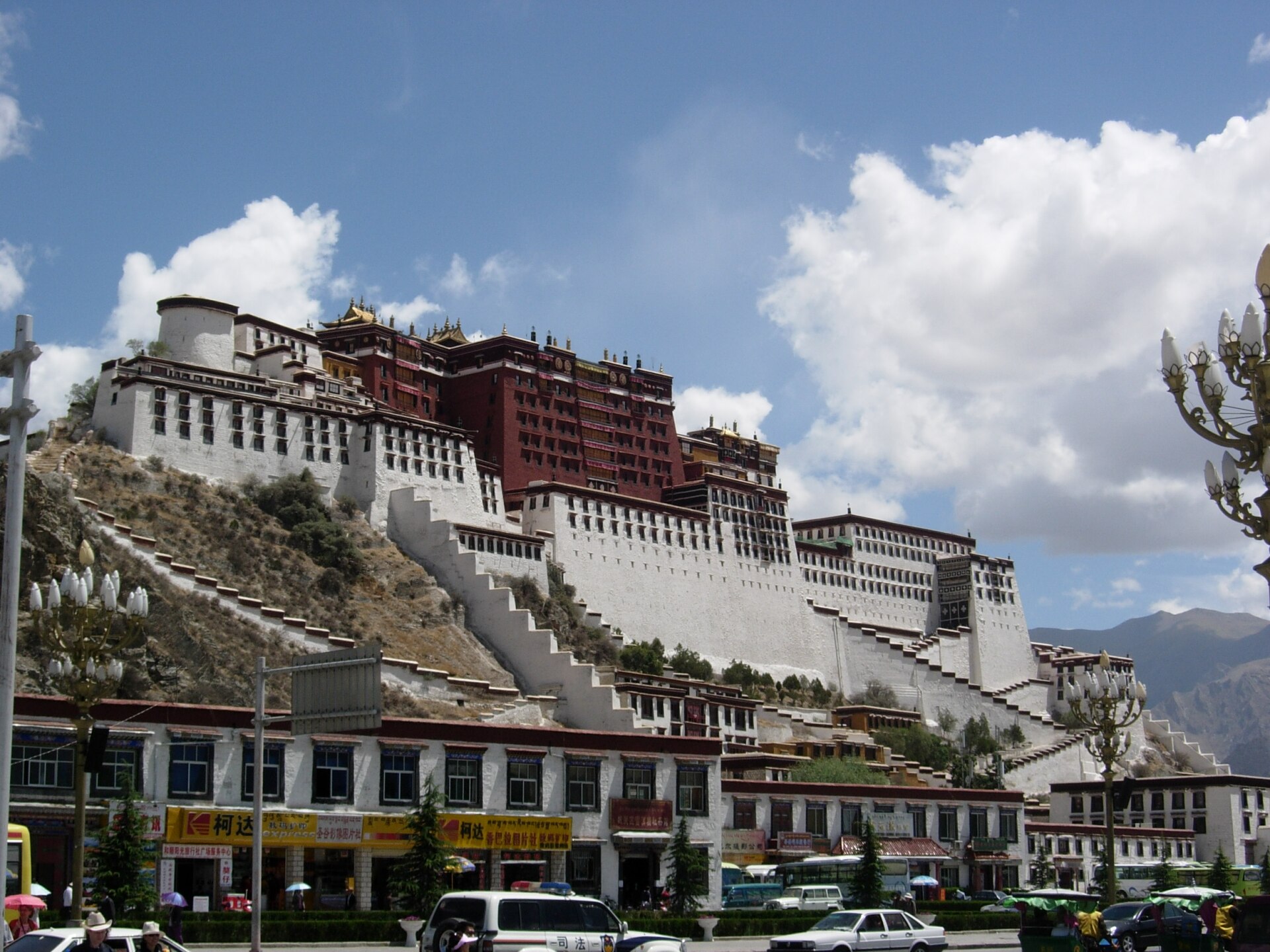
The one rule that shapes everything: no tour, no permit
Every foreign visitor to the Tibet Autonomous Region needs a Tibet Travel Permit, issued by the Tibet Tourism Bureau in Lhasa. The permit is the document airlines and railways check before you board, and hotels in Tibet check again at check-in. Without it, there is no boarding pass to Lhasa — that is the sentence every 2026 guide repeats, because it is the trip's single point of failure.
The part travelers misunderstand is what "organized tour" means. It does not mean a bus group. A solo traveler can go on a private tour built for one person, with a guide, a driver and a vehicle for that party alone. What it forbids is the independent version: no public buses, no rented cars, no self-driving, and no wandering off the registered route. Foreigners cannot rent or drive a car anywhere in the region, which is why the Tibet leg of a trip is always arranged through a Tibet agency, never booked as a do-it-yourself drive.
One honest note about our own role: we are a Chengdu private car team, not a Tibet permit agency. We cannot issue a Tibet Travel Permit — nobody outside a registered Tibet agency can. What we do is the Chengdu side of the trip: airport pickup, a hotel night in Chengdu, and the transfer to your flight or train, so the permit handover and the departure line up without a scramble. The permit itself always comes from your Tibet agency.
Which permits you actually need
Most travelers hear "Tibet permit" as one document. In practice it is a stack, and the stack grows the farther west you go:
| Permit | Covers | Who issues it |
|---|---|---|
| Tibet Travel Permit | Lhasa and the immediately surrounding area | Tibet Tourism Bureau, via your agency |
| Alien's Travel Permit | Shigatse, Gyantse, Everest region, Namtso Lake and other areas outside Lhasa | Arranged by your agency |
| Border Pass | Everest Base Camp, Mount Kailash and border counties | Arranged by your agency |
| Military Permit | Parts of western Tibet, including the Changtang and Ngari | Tibet Military District, via your agency |
Source: permit stack per China Navigators (2026) and EcoVoyager (2026/2027 guide). None of these are optional extras — they are checked at road checkpoints on the way out of Lhasa.
Two groups travel under different rules and cannot use the agency route at all: journalists, diplomats and government officials apply through the regional Foreign Affairs Office, and Indian citizens visiting Kailash travel under separate pilgrim arrangements (EcoVoyager, 2026). If either applies to you, start months earlier and through official channels, not a tour agency.
How to get the permit, step by step
Bottom line: the sequence matters more than the paperwork. The permit cannot be started until your route is final, because it is tied to that itinerary and cannot be changed afterwards.
- Pick a licensed Tibet agency, 6 to 8 weeks out. Lhasa-based agencies are the most direct route, since processing happens in Lhasa even when a Beijing, Shanghai or Chengdu agency takes your booking. Confirm the agency is registered with the Tibet Tourism Bureau before you pay anything.
- Fix the itinerary, 4 to 6 weeks out. Agree on dates, entry point, towns, and accommodation level. Once the permit is submitted, the route is locked — a later change means rework, not an edit.
- Send documents, 20 to 25 days before entry. A clear color scan of your passport photo page (valid at least 6 months), plus a scan of your Chinese visa if you need one. Travelers on work or student visas also need a letter from their employer or school. Visa-free passport holders can apply with the passport alone.
- Wait for processing: 8 to 15 working days. Agencies quote at least 8 working days for a standard permit; a Chinese travel guide published in October 2026 puts the usual window at 7 to 10 working days and recommends at least 10 working days in peak season. Western Tibet routes take longer, and rush processing is not reliably available.
- Collect the original in mainland China. Your agency couriers or hands over the original permit to your hotel in a gateway city such as Chengdu before departure. Since March 1, 2026, train boarding requires the original, and airlines have begun asking for it at check-in abroad, so carry a copy from home and the original from your gateway hotel.
- Board with the permit in hand. Show it at flight check-in, at security and at the gate; on trains, at boarding. On arrival in Lhasa, your guide meets you with the permit details already registered.
Starting your Tibet trip from Chengdu?
Chengdu runs more than 20 flights a day to Lhasa and is the natural gateway city. We pick you up at the airport, give you a night to collect your original permit and rest, and drive you to the airport or railway station on departure day — so the permit handover never collides with a boarding deadline.
Get a Chengdu Gateway Transfer QuoteThe visa layer underneath the permit
The Tibet permit sits on top of your right to enter China, and that layer has its own 2026 deadlines. Citizens of about 50 countries currently enjoy 30 days in China without a visa, including most of Europe, Australia, New Zealand, Japan and South Korea, plus the United Kingdom and Canada since February 17, 2026. Visa-free travelers can obtain a Tibet permit in the normal way, with the passport alone.
Two dates to watch. First, that visa-free scheme currently runs to December 31, 2026, and as of late September 2026 no extension for 2027 had been announced except for Russia — extensions have historically come late (the last one landed on November 3, 2025), so travelers planning 2027 should recheck in November and be ready to apply for a tourist visa instead. Second, United States citizens need a visa; the reduced fee of $140 for United States citizens has been extended to December 31, 2026, and a ten-year multiple-entry tourist visa costs the same as a single entry, so apply two to three months ahead (EcoVoyager, 2026).
One shortcut does not work: China's 240-hour visa-free transit scheme, open to citizens of 57 countries for up to ten days en route to a third country, explicitly excludes the Tibet Autonomous Region (as well as Qinghai, Gansu and Xinjiang). A full tourist visa plus the Tibet permit is the only route for transit-style trips into Tibet.
Getting to Lhasa from Chengdu
With the overland road from Nepal out of action — a glacial flood on August 26, 2026 destroyed the Gyirong border port, and agencies expect it to stay closed for years — there are three practical ways in, and Chengdu features in all of them:
- Fly from Chengdu. More than 20 flights a day link Chengdu and Lhasa, plus direct services from Chongqing, Xi'an, Kunming, Xining, Beijing and Shanghai. One-way Chengdu to Lhasa fares run about $130 to $300 (China Navigators, 2026). The flight is fast but lands you at 3,650 meters with no acclimatization — plan an easy first two days.
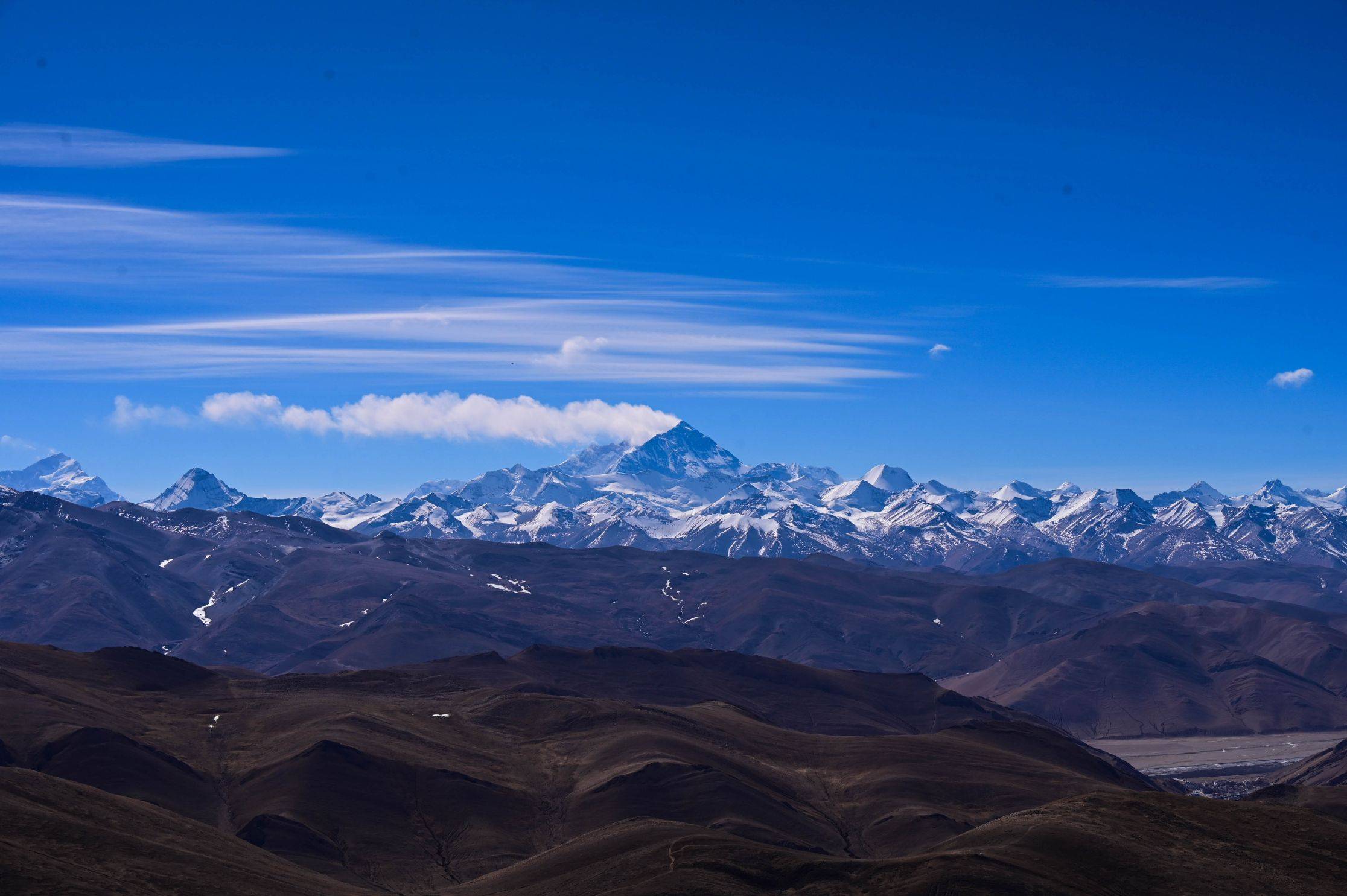
- Fly from Kathmandu. The only regular international route into Lhasa, and on a clear day one of the great flights in the world, passing the Everest range at eye level. Schedules change; check the current operator when booking.
- Take the train. The Qinghai–Tibet railway climbs from Xining over the Tanggula Pass above 5,000 meters. Chengdu to Lhasa by rail takes about 36 hours, Xining to Lhasa about 21 hours (Sohu, October 2026). The slower climb gives your body more adjustment time, and carriages carry supplemental oxygen — but remember the original-permit rule for boarding.
Altitude is the part of a Tibet trip that most needs preparing for. Lhasa sits at 3,650 meters and everything else is higher — Rongbuk near 5,000, the Dolma La pass above 5,600 on the Kailash circuit. As one 2026 guide puts it, the standard advice is to gain sleeping altitude slowly once above 3,000 meters, rest every few days, and descend if symptoms worsen. Many Lhasa hotels now offer oxygen-enriched rooms. Check your travel insurance too: many standard policies cap cover at 3,000 or 4,000 meters, while a Tibet trip needs cover to at least 5,700 meters with medical evacuation included (EcoVoyager, 2026).
What a Tibet trip costs in 2026
The permit itself is free — it is included in the tour price. What you pay for is the tour it rides on:
| Item | 2026 price range |
|---|---|
| Tibet Travel Permit (in tour) | Free |
| 4-day Lhasa group tour | From $486 per person |
| 8-day Lhasa + Everest Base Camp group tour | $900 to $950 per person |
| Private Tibet tour, 1 week | From $1,300 per person |
| Chengdu to Lhasa flight, one way | $130 to $300 |
| Xining to Lhasa train | $80 to $200 (hard to soft sleeper) |
Source: tour and transport prices per China Navigators (2026). Everest Base Camp here means the tourist viewpoint near Rongbuk Monastery at about 5,200 meters, not the climbers' camp, which has needed a mountaineering permit since 2019.
Closures, seasons and the winter window
Bottom line: permits are only half the calendar risk. Closures are the other half, and they arrive with little notice.
The spring closure
In most years since 2008, Tibet has closed to foreign visitors from around late February to early April, usually for 4 to 8 weeks. In 2026 it did not close — permits were issued normally through March. Nobody knows yet whether 2027 repeats 2026 or reverts to the closure. If you want March, book with a plan B: the Tibetan areas of Sichuan and Yunnan need no permit at all.
Area closures at short notice
Individual regions shut at short notice. In 2025 the Everest region closed for six weeks after the January Tingri earthquake. In 2026 the Kailash circuit closed for five days in late May for snow and again in late September for a pilgrim evacuation. The road between Tingri and Saga closed for three weeks after the August flood (EcoVoyager, 2026).
Best months to go
Late April to early June and September to mid-October are the months to aim for: clear skies, open passes and a working Kailash circuit. July and August bring monsoon cloud, landslides on the eastern roads and heavy domestic tourism. The first week of October is Golden Week, when prices rise and permits come under pressure.
The winter window
The ninth "Winter Tour Tibet" campaign runs from October 15, 2026 to March 15, 2027, during which all A-level scenic spots across the region except temples are free of entry charge (Sohu, October 2026). Winter also brings Potala Palace free-entry periods with advance booking in recent years — confirm the current season's rule before you go. November to March is cold and quiet, with Kailash closed, but Lhasa in winter has its own appeal, and Losar, the Tibetan New Year, falls on February 7, 2027.
Key takeaways
In summary: no tour means no permit; the permit itself is free but only a registered Tibet agency can obtain it. Send documents 20 to 25 days before entry, allow 8 to 15 working days for processing, and collect the original permit in mainland China before boarding. Add an Alien's Travel Permit beyond Lhasa, a Border Pass for Everest and Kailash, and a Military Permit for the far west. Watch the March closure risk and the December 31, 2026 visa-free deadline, and start from Chengdu, where flights to Lhasa run more than 20 times a day.
"Travelers ask us whether they can sort the Tibet permit themselves and just hire our car for the Tibet leg. Honestly, no — the permit only exists inside a licensed Tibet tour, and foreigners cannot self-drive in the region at all. What we can do is make the Chengdu end faultless: pick you up, hold a night for the original permit to reach you, and get you to the right departure on time. The permit deadline is the one date on a Tibet trip you cannot negotiate."
— Western China Private Car Tours (Chengdu private car team), Oct 2026
Frequently Asked Questions
Can a foreigner apply for a Tibet Travel Permit alone?
No. Only a registered Tibet travel agency can apply, and only as part of a booked tour with a licensed guide, a driver and a fixed itinerary. There is no permit-only service and no way to buy the permit and travel independently.
How long does a Tibet Travel Permit take in 2026?
Agencies quote at least 8 working days to process a standard permit, and most guides advise sending documents 20 to 25 days before entry. A Chinese travel guide published in October 2026 puts the usual window at 7 to 10 working days and recommends at least 10 working days in peak season. Western Tibet and Everest or Kailash routes take longer.
Do I need the original permit or is a copy enough?
Since March 1, 2026, train passengers must show the original permit to board, not a copy. Airlines have also begun asking for the permit at check-in abroad. Your agency normally delivers the original to your hotel in mainland China before departure, so plan to be in China a day or two early.
What extra permits do I need beyond Lhasa?
The standard Tibet Travel Permit covers Lhasa and nearby areas. Shigatse, Gyantse, Everest and Namtso need an Alien's Travel Permit. Everest Base Camp and Mount Kailash also need a Border Pass, and parts of western Tibet need a Military Permit. Your agency arranges all of them; they are checked at road checkpoints.
When is Tibet closed to foreign visitors?
In most years since 2008, Tibet has closed to foreign visitors from around late February to early April, usually for 4 to 8 weeks. In 2026 it did not close and permits were issued normally through March. Whether 2027 repeats 2026 or returns to the closure is not yet known, so March travelers should keep a plan B in the Tibetan areas of Sichuan or Yunnan, which need no permit.
Sources: EcoVoyager — How to Visit Tibet in 2027: Permits, Visas and Closures (2026 changes: original-permit train rule from March 1, 2026, Gyirong flood closure, visa-free deadline, March closure history) / China Navigators — How to Visit Tibet in 2026: Permits & Lhasa Itinerary (permit stack, 10–15 working days, tour prices, Chengdu–Lhasa fares) / Sohu — 去西藏要办哪些手续 (October 12, 2026) (入藏函 7–10 working days via travel agency, Chengdu–Lhasa rail ~36 hours) / Sohu — 2026 Winter Tour Tibet campaign (October 15, 2026 – March 15, 2027, A-level scenic spots free). Images: Potala Palace and Lhasa photographs via Wikimedia Commons (Creative Commons-licensed); Tibet train photograph via Sohu.